
My Upgrade Journey: How to Find PD on Your Eye Prescription and Choose…
페이지 정보

본문
My Upgrade Journey: How to Find PD on Your Eye Prescription and Choose Better Reading Glasses
I used to buy the cheapest reading glasses I could find, convinced all readers were basically the same. I was wrong. That low price looked great at first, but the fit, lens clarity, and frame quality often fell short.
I also kept hitting the same wall: how to find PD on an eye prescription. I wanted better glasses online, but I never fully understood the numbers on my prescription. That made shopping far more complicated than it needed to be.
After a few disappointing purchases, I finally slowed down. I started paying close attention to frame size, lens options, and genuine customer reviews. I also spent time on the homepage comparing styles and learning what better glasses should offer.
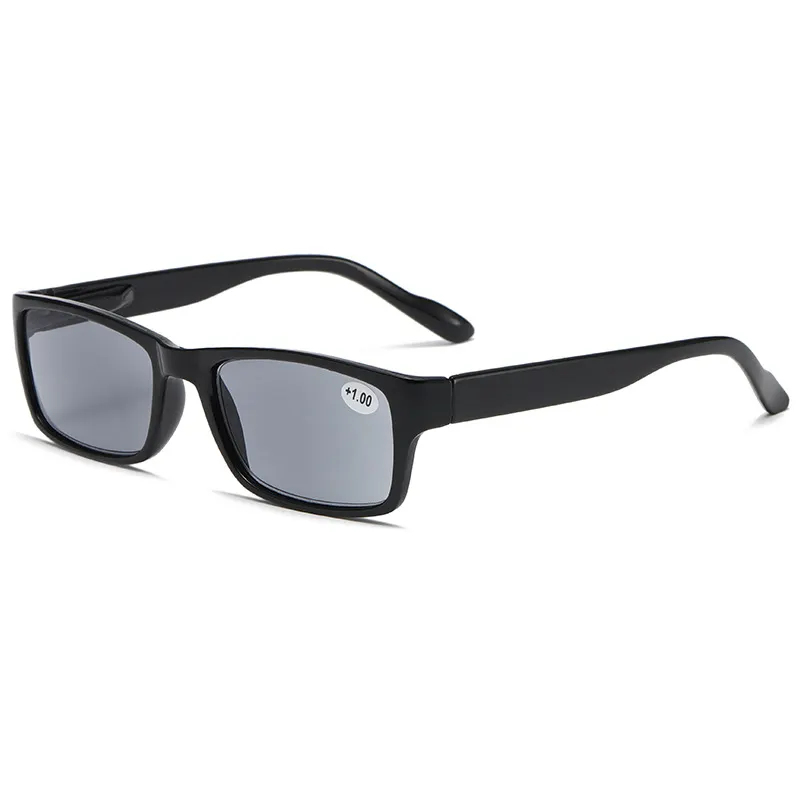
- I learned where PD may show up on a prescription.
- I learned why cheap frames often end up costing more later.
- I learned how better quality feels right away.
Here’s the straightforward process I now follow to check PD before buying:
- Step 1: Look for "PD" or "Pupillary Distance" on the prescription.
- Step 2: Note whether it’s a single number (like 62) or two numbers (like 31/31).
- Step 3: If it’s missing, call your eye doctor’s office and ask for it—most will provide it.
- Step 4: For reading glasses, your reading PD may be slightly smaller than your distance PD.
- Step 5: Compare that information with frame width, lens width, and customer photos before ordering.
Learning how to find PD on an eye prescription stopped me from guessing, and that alone saved me money.
Verdict: Learn your PD first, then shop with real numbers instead of hope.
Stage 1: The Cheap Phase
My first purchase was dirt cheap. It lasted maybe a few weeks. I spent around $8 to $15 on random readers. At that price, I wasn’t expecting much—and what I got felt flimsy from day one.
The 1-star and 2-star reviews I read on similar budget pairs told the same story:
- The screws loosened quickly.
- The arms bent out of shape easily.
- The lenses scratched far too easily.
- The magnification felt uneven.
- The "blue light" feature didn’t seem to do anything noticeable.
That matched my own experience. The frame pinched my nose. The finish looked dull. The glasses felt light in a bad way, not in a premium way. I also noticed more eye strain during longer reading sessions.
This was also when I first realized that PD matters—even with simple readers. Ready-made readers aren’t custom prescription lenses, but fit still counts. When the frame shape and lens area don’t line up well with your eyes, the pair can feel off.
The low price was the trap. I saved a few bucks at checkout, but I replaced the pair too soon. That made the "cheap" buy more expensive over time.
Verdict: Super cheap readers are fine for short-term backup use, but not for daily wear.
Stage 2: The Mid-Range Phase
I moved up to something mid-range and found it… okay. These pairs typically cost about $20 to $35. The jump from cheap to mid-range was real, but it wasn’t amazing.
The 3-star reviews on mid-range glasses were mixed in a completely normal way:
- The frames looked better than budget pairs.
- The hinges felt decent, but not particularly strong.
- The lenses were clearer but still not great in every lighting condition.
- The fit was better, but still hit or miss.
That was my story too. I got a pair that looked nicer and lasted longer. But after a few months, I still noticed small issues. The finish wore down. Comfort was just average. I kept them, but I didn’t love them.
I also still had to figure out how to find PD on an eye prescription. Many mid-range sellers listed frame sizes but offered very little guidance. I had to compare lens width, bridge size, and temple length on my own. It helped, but it still felt like guesswork.
Mid-range was a fair step up. It showed me that paying a little more can make a difference. Still, it didn’t solve the whole problem.
Verdict: Mid-range is better than cheap, but it may still feel like a compromise.
Stage 3: The Premium Phase
Then I tried the brand Glasses. Wow.
This was the first time I stopped "settling." I chose a better-made pair with a clear purpose. the brand Reading Glasses Men Women Vintage Anti Blue Light Presbyopic Eyeglasses Square Full Frame Eyewear +1.0 +1.5 +2.0 +2.5 ~ +4.0 1.0-Black looked sharper, felt sturdier, and gave me more confidence before I even put them on.
What impressed me most was balance. If you have any questions concerning in which and how to use Mozaer Official, you can speak to us at our own web-page. The square full frame had a clean, classic look. The magnification choices made shopping simpler. The frame didn’t feel flimsy. The anti-blue-light feature was actually useful for screen use. Most of all, the pair felt like something built for regular daily wear—not a disposable purchase.
The premium feedback helped push me over the edge. One happy buyer wrote, "Issis was great. Easily adjusted my glasses within minutes." That matters. A good pair should be comfortable to wear, and support should help when a small fit adjustment is needed.
Another buyer shared this: "Excellent staff, the two gentlemen in the front are really helpful and they always try their best to help you find a good pair of eye glasses. I met the Dr once and he was the friendliest optometrist I’ve met. Thank you to this wonderful optometrist office. I’m am so glad I came here. I got my new glasses in less than 1 week. Which to me was pretty awesome." To me, that shows the premium experience isn’t just about the frame—it’s about help, speed, and trust.
By this point, I finally understood how to find PD on an eye prescription well enough to shop smarter. Even when buying reading glasses (not full custom lenses), I knew what numbers to ask for and which fit details to compare. That removed a lot of stress.
the brand felt like the point where price and quality finally aligned. It cost more than bargain pairs, but it delivered more comfort, better style, and greater confidence.
Verdict: Premium was worth it because I got better build, better comfort, and a better buying experience.
Comparison Table: All Three Stages
| Stage | Typical Price | What I Got | Common Review Pattern | PD and Fit Experience | My Take |
|---|---|---|---|---|---|
| Cheap | $8-$15 | Very basic readers | 1-2 star complaints about weak frames and poor lenses | Fit felt random and tiring | Only good as a short-term backup |
| Mid-Range | $20-$35 | Better look, average comfort | 3 star reviews said "decent, but not great" | Better sizing, still some guessing | A step up, but not the finish line |
| Premium | $35-$60 | Stronger frame, clearer daily value | 4-5 star reviews praised help, adjustment, and speed | Much easier to shop once I understood my numbers | The best long-term value for me |
Verdict: Cheap saves money today. Premium saves money, time, and stress over time.
Is Upgrade Worth It? Yes, here's why
Yes. Upgrading was absolutely worth it for me.
- Cheap glasses break faster. That means repeated purchases.
- Better frames feel better. Comfort matters when you wear them every day.
- Clearer lenses reduce frustration. That’s crucial for reading and screen use.
- Good reviews tell a fuller story. Customer photos and fit comments help a lot.
- Support matters. Adjustment help and fast service provide real value.
If you’re shopping now, use this simple plan:
- Research the frame style and lens type.
- Compare cheap, mid-range, and premium options.
- Check reviews, especially real buyer photos and low-score complaints.
- Buy the pair that gives you the best long-term value, not just the lowest price.
If you still don’t know how to find PD on an eye prescription, call your eye doctor and ask for the PD directly. That small step can make online shopping much easier.
My journey taught me one clear lesson: low price and good value are not the same thing. Once I understood fit, reviews, and quality signs, upgrading felt easy. For me, the brand was the point where the search finally paid off.
Verdict: Upgrade if you wear your reading glasses often. Better quality is easier on your eyes, your wallet, and your daily routine.
- 이전글Don't Just Sit There! Start Getting More Наркотики 26.06.30
- 다음글성인약국 엠빅스에스와 비닉스필름 차이 26.06.30
댓글목록
등록된 댓글이 없습니다.