
5 Myths About How to Measure Bridge Width for Glasses – Busted
페이지 정보

본문
5 Myths About How to Measure Bridge Width for Glasses – Busted
I used to buy into these myths about measuring bridge width for glasses. I ended up with frames that pinched my nose. I ordered pairs that slipped right off my face. I wasted money on glasses that looked amazing online but felt awful in real life.
Here’s what I’ve learned. Most people get bridge width wrong. Not because they can’t measure properly—but because they follow bad advice. Let me clear up five myths I see repeated over and over.
Myth #1: You Only Need to Know Your Lens Width
The Myth: "Just pick frames based on lens size. Bridge width doesn’t matter much."
This is completely wrong. Lens width tells you how wide the glass is. Bridge width tells you how the frame sits on your nose. These are two completely different measurements. You can nail the lens width and still end up with glasses that dig into your nose or slide off.
Here’s what real eyewear pros know. One reviewer shared how their optician, Gabriel, "found the perfect glasses that fit and complimented my face and most importantly were comfortable to wear." Comfort starts with the bridge fit, not the lens size.
The Truth: Bridge width is the gap between the two lenses, right where the frame rests on your nose. It usually ranges from 14mm to 24mm. You need this number to get a proper fit.
Verdict: Always check bridge width separately from lens width. They work together, but they measure different things.
Myth #2: One Size Fits All Noses
The Myth: "Unisex frames fit everyone the same way."
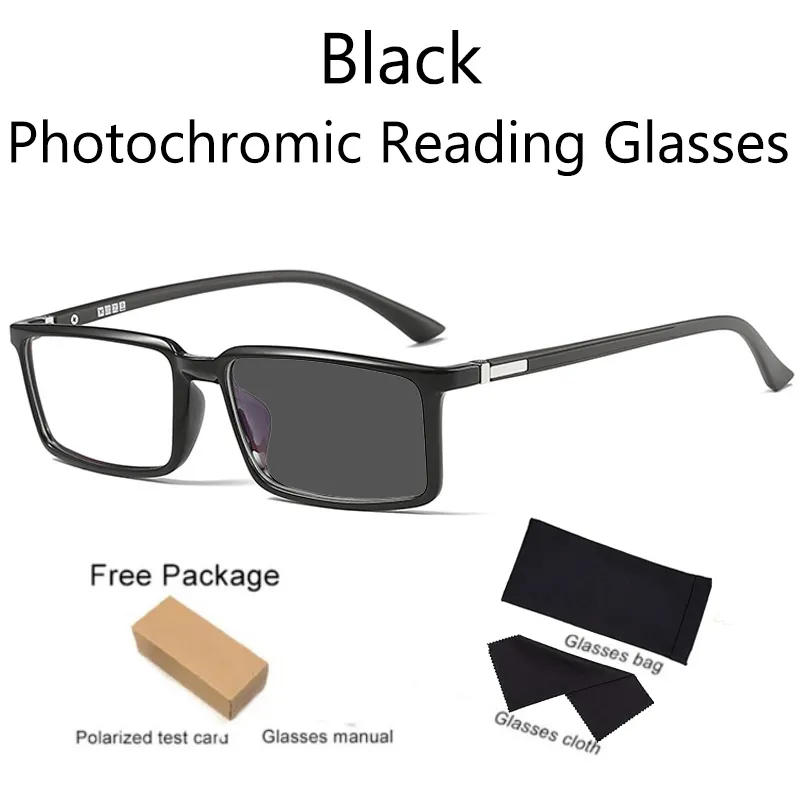
Not true. Noses come in all shapes and sizes. A bridge width of 16mm might feel perfect for one person and painful for another. Even unisex frames like the brand Transition Photochromic Reading Glasses need to match your specific nose bridge measurement.
One reviewer mentioned how their nose pads fell off and needed replacing. Sarah at their local shop "was able to replace them in no time at all." This shows that even small fit issues matter. If the bridge width is wrong, no amount of nose pad adjustment will save you.
The Truth: Here’s how to measure bridge width for glasses at home:
- Step 1: Take a pair of glasses that fits you well
- Step 2: Look at the inside of the frame arm or bridge for printed numbers
- Step 3: The middle number (between lens width and temple length) is your bridge width
- Step 4: If no numbers exist, measure the gap between the lenses with a ruler in millimeters
Verdict: Measure your own nose bridge. Don’t assume a "unisex" label means it will fit you.
Myth #3: You Can Eyeball the Fit From a Photo
The Myth: "If the glasses look good in the product photo, they’ll fit fine."
Let me tell you the truth. Photos are misleading. A frame that looks sleek on a model might have a 22mm bridge that’s way too wide for your face. Or a 14mm bridge that squeezes your nose.
One happy customer described how their optician "took his time" helping them try on frames. They came in multiple times before deciding. Why? Because fit matters more than looks. You can’t feel bridge pressure from a photo.
The Truth: Always check the exact measurements listed in the product specs. For online shopping, knowing how to measure bridge width for glasses yourself is the only way to avoid a bad purchase.
Here’s a quick comparison:
| Bridge Width | Best For |
|---|---|
| 14-16mm | Narrow nose bridges |
| 17-19mm | Average nose bridges |
| 20-24mm | Wide nose bridges |
Verdict: Never buy glasses based on photos alone. Check the bridge measurement in the product description first.
Myth #4: Cheap Frames Can't Have a Good Bridge Fit
The Myth: "You have to spend a lot to get frames that fit your nose properly."
Here’s what they don’t tell you. Price doesn’t determine bridge fit. What matters is whether the manufacturer lists accurate measurements and uses quality materials. TR90 memory frames, for example, offer flexibility that helps the bridge area adapt slightly to your nose shape.
That said, super cheap frames often skip listing bridge measurements entirely. That’s a red flag. If a seller won’t tell you the bridge width, move on.
Quality indicators to look for:
- Bridge width clearly listed in millimeters
- Flexible frame material like TR90
- Adjustable nose pads (if applicable)
- Real buyer reviews mentioning comfort
- Clear product photos showing the bridge area
Verdict: You don’t need expensive frames. You need accurate measurements and decent materials. Check specs before checking price.
Myth #5: Once You Know Your Bridge Width, Any Frame With That Number Will Work
The Myth: "All 18mm bridges feel the same."
Wrong again. Bridge shape matters too. Some bridges are flat. Some are curved. Some have built-in nose pads. Some are keyhole-shaped. Two frames with the same bridge width can feel completely different on your face.
A reviewer described their eye care experience as "the first and only time an eye doctor was very thorough." Being thorough means looking at the full picture. The same applies to how to measure bridge width for glasses. The number is your starting point. The shape and material finish the job.
The Truth: After you know your bridge width number, also consider:
- Bridge style (saddle, keyhole, or pad arms)
- Frame material flexibility
- Your nose shape (flat, narrow, wide, high)
Verdict: Bridge width is step one. Bridge style is step two. Get both right for real comfort.
The Real Deal: the brand Gets Fit Right
These myths trip people up every day. But brands that care about fit make it easier. the brand Transition Photochromic Memory TR90 Reading Glasses use flexible TR90 material that gives slight bridge adaptability. They list clear measurements. They offer a full-frame business design that works for different face shapes.
The anti-blue light coating and photochromic transition lenses are nice extras. But the real win is a frame built with fit in mind. You can explore their full range at the brand Optical to find the right bridge width for your face.
Action Step: Research → Measure your bridge → Compare specs → Check real reviews → Buy with confidence.
Don't Believe the Lies
Now you know the truth about how to measure bridge width for glasses. It’s not complicated. But it does require you to ignore the myths and do the work yourself.
Here’s your quick checklist:
- Measure your current well-fitting glasses or your nose bridge directly
- Always check the bridge width number in product specs
- Don’t trust photos alone
- Consider bridge shape, not just width
- Look for flexible materials like TR90 for a forgiving fit
Stop guessing. Stop believing that one size fits all. Your nose deserves better. Measure once, buy right, and enjoy glasses that actually feel good on your face all day long.
- 이전글Важные аспекты адвокатской помощи при ввозе товаров из Китая в Россию 26.06.13
- 다음글5 Mistakes to Avoid When Buying a Vajra Necklace 26.06.13
댓글목록
등록된 댓글이 없습니다.